
Read the related Wearlumi guide.
How to Fix Loose Clicker Hoops and Earring Backs Safely
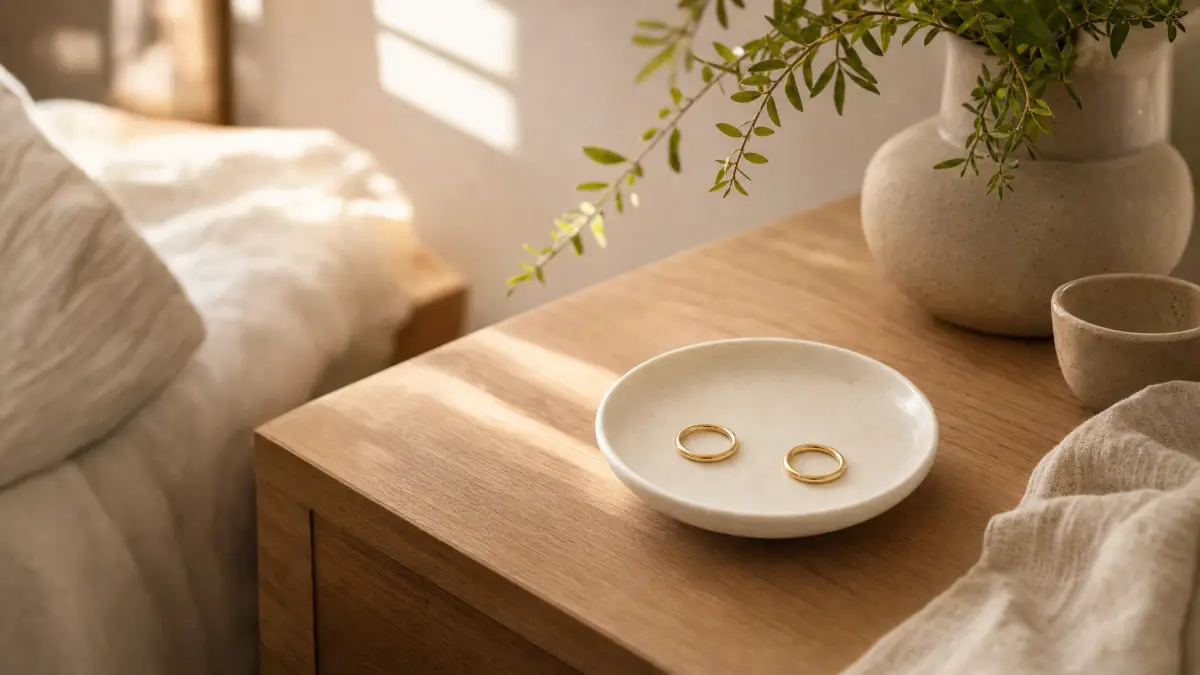
To fix loose clicker hoops safely, start by checking the closure rather than bending it until it feels tight. A loose earring closure is a safety question, not an invitation to bend metal until it feels tight. This guide explains what to check, what a careful DIY adjustment can and cannot fix, and when a jeweler should take over.
How to Fix Loose Clicker Hoops Safely
Loose clicker hoops and earring backs are often caused by simple misalignment, debris, wear, plastic deformation, or side loading rather than one automatic diagnosis. Clean and inspect the closure first; only an intact, slightly misaligned simple clasp is a candidate for a tiny finger adjustment.
Why a Clicker Hoop Stops Feeling Secure
A clicker hoop usually has a hinge and a movable post that enters a receiving hole or notch when the hoop closes. A huggie is a close-fitting hoop, but its closure may use a post-and-slot system or another hinge design, so the exact repair boundary depends on construction.
When the post approaches the receiving hole at an angle, the click can become faint, the seam can remain uneven, or the hoop can need extra pressure to close. Skin oil, makeup, lint, and dried residue can also reduce insertion depth or create friction, which is why cleaning comes before adjustment.
Possible causes include a small shift from clothing snags, sleep pressure, or opening the hoop sideways. Local wear, increased hinge play, a bent receiving area, and contamination can produce similar symptoms. Metal fatigue is possible, but it is not the default diagnosis for every loose clasp.
Both 925 sterling silver and 14K or 18K gold are alloys. Performance depends on the recipe, processing, cross-section, and structure, not only on the metal name or karat. GIA’s guide to gold alloys and the Sheffield Assay Office overview of hallmarking provide useful context.
Material behavior also depends on how a part is loaded. The U.S. Department of Energy metals handbook distinguishes elastic response from permanent deformation, while Britannica’s materials-testing reference explains why surviving one stress does not prove that repeated stress is harmless.
Can You Adjust This Earring at Home?
DIY is limited to a simple clicker or huggie with an intact hinge, post, receiving area, and surrounding structure. Avoid home adjustment when a piece has stones, solder joints, hollow construction, special plating, visible bending, or meaningful value that would make a mistake expensive.
| What you notice | Possible explanation | Safer next step |
|---|---|---|
| Seam is slightly uneven, but the post enters the hole | Minor misalignment | Clean, then try one tiny adjustment |
| Oil, lint, or makeup is visible | Debris is blocking engagement | Clean and dry before reassessing |
| Post cannot enter without force | Major misalignment, deformation, or wear | Do not press harder; seek repair |
| Hinge moves from side to side | Hinge or connection wear | Stop wearing and have it inspected |
| Stone is loose, a crack is visible, or solder is open | Structural damage | Do not DIY; isolate and see a jeweler |
| It opens again after adjustment | Wear, deformation, or mismatch | Replace the closure or seek repair |
Two Steps for a Minor Closure Problem
Use this two-step process only on a clean, flat surface with the earring off the ear. Stop immediately if you feel a sharp increase in resistance, hear a crack, see a split, or cause the part to bind.
- Clean and locate the problem. Use lukewarm water and a small amount of mild soap for a water-safe piece, then rinse and dry completely. For fragile stones, glued components, or special finishes, use a barely damp soft cloth instead. Under bright light, open and close the hoop slowly; check post alignment, the receiving hole, hinge, solder, and stone settings without pulling hard.
- Make one tiny, one-direction adjustment. Support the hoop body with your fingers and adjust only the post or receiving side by a very small amount. Let it return naturally, then test the closure once. Stop when the post enters fully, the seam sits evenly, and a light fingertip touch does not release it. If one small adjustment changes nothing, do not keep bending back and forth.
Never use pliers, glue, or a closure adjustment while wearing the earring. Pliers concentrate force and can leave dents; glue can contaminate a hinge, irritate skin, and complicate later repair. The practical guidance in AMYO’s huggie adjustment guide and BERRICLE’s hoop and huggie guide supports careful alignment checks rather than forcing a clasp tight.
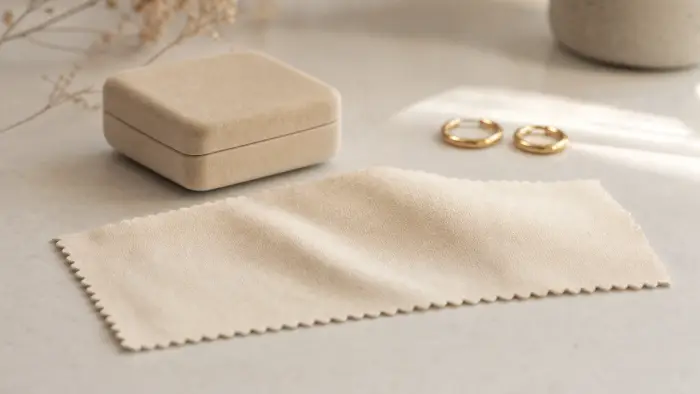
Butterfly Backs and Silicone Push Backs Work Differently
Not every loose earring is a hoop-clasp problem. Butterfly backs grip a post with springy metal scrolls or wings, while silicone push backs rely primarily on friction between the sleeve and the post. Identifying the mechanism prevents the wrong kind of adjustment.
Butterfly backs
A butterfly back can lose holding force after repeated pushing, squeezing, or side impacts. If the back is complete, the post is straight, and no crack is visible, support the back and make a very small adjustment to its inner scrolls or wings. Put it back on the post and test after each change; do not crush the wings together or bend the post.
If the metal is cracked, permanently distorted, or still slides after a small adjustment, replace it with a compatible back. The Kernowcraft guide to butterfly backs is a useful reference for supporting the post and testing incrementally.
Silicone push backs
Silicone push backs are usually replaced, not adjusted. Hardening, whitening, cracking, embedded residue, or continued slipping after cleaning means the sleeve may no longer provide reliable friction. Stop using it and check that the replacement matches the post diameter.
Do not treat “pushed all the way on” as the only safety test. Check that the new back surrounds the post without a split, then give it a gentle manual pull while the earring is off the ear. If it still slips, the post may be worn or the back may be the wrong size.
Prevent the Next Side Load
Hold the hoop body when opening and closing it, and follow the hinge’s original path instead of twisting the post sideways. Keep earrings clear of sweaters, scarves, hair, and seat belts when dressing. Removing small hoops before sleep, showers, swimming, and workouts reduces snags, impacts, and residue.
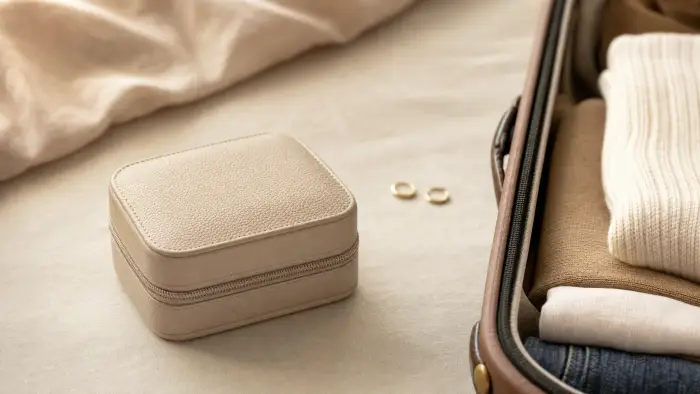
Store pairs in separate soft compartments so a post is not pressing against another clasp. Periodically check the post, receiving hole, hinge, butterfly wings, and silicone sleeves. A small change is easier to assess before it becomes a lost earring.
The 60-Second Check Before You Leave
- Look: The seam is even, the post is fully seated, and the back covers the post.
- Touch: There is no sharp burr, crack, or unusual hinge looseness.
- Open and close: The action is smooth and does not require a hard press.
- Test gently: A fingertip touch does not immediately release the post. Do not yank it.
- Consider the setting: Recheck before exercise, sleep, showering, changing clothes, or long wear around fabric and hair.
A click is only a supporting signal, not the sole proof of security. If the hinge is loose, solder is open, a stone moves, or the closure cannot fully engage, remove the earring and keep it separate until a jeweler evaluates it.
Frequently Asked Questions
How do you fix loose clicker hoops?
Clean the closure first and check whether the post is only slightly misaligned with its receiving hole. If the structure is intact, make one tiny, one-direction adjustment with your fingers and test it. Stop if the hoop remains loose, needs force, or shows damage.
How can you repair loose butterfly earring backs?
A complete butterfly back may respond to a very small adjustment of its inner scrolls or metal wings while the post is supported. Replace it if the metal is cracked, permanently deformed, or still slides after testing.
Does huggie clasp repair require pliers?
No. Pliers can concentrate force, scratch the finish, and distort a hinge or post. Finger-only adjustment is limited to a simple, intact clasp with minor misalignment; a worn or damaged huggie belongs with a jeweler.
How do you adjust an earring clasp safely?
Work on a clean, flat surface with the earring off the ear. Clean and inspect first, then make only a tiny one-direction adjustment to a simple metal closure and test after each change. Never use glue, pliers, or repeated back-and-forth bending.
Why is a clicker hoop still unsafe when it still clicks?
A click is only an auxiliary signal that some parts touched or engaged at one moment. Confirm that the post is fully seated, the seam is even, and a gentle fingertip check does not release the post; also look for hinge looseness or damage.
Should a loose silicone push back be repaired?
Usually, no. Silicone push backs are friction-fit parts, so hardening, whitening, cracking, contamination, or a poor fit usually calls for replacement rather than adjustment. Check the new back and the post size before wearing the earring.
Is a loose earring clasp automatically a quality problem?
Not necessarily. Misalignment, debris, side loading, local wear, plastic deformation, and metal fatigue can look similar. A jeweler or the brand should assess early failure, cracks, solder separation, loose stones, or a closure that will not stay engaged.
Sources
- Stuller: Earring Back Education
- Blue Nile: Earring Guide
- Brilliant Earth: Types of Earrings
- GIA: White, Yellow, and Rose Gold
- U.S. DOE: Properties of Metals
Care for the Pieces You Wear Often
Build a simple care routine around the jewelry that moves with you.

One Comment