
Jewelry Science · Safety Warnings
Ultrasonic Cleaner Warning: 5 Gemstones That Can Crack, Shatter, or Fall Out
For ultrasonic cleaner gemstone safety, the key rule is simple: ultrasonic cleaning is not safe for every stone or setting. An ultrasonic cleaner can make a dull ring sparkle in minutes, but it can also crack an opal, dull a pearl, and shake a diamond loose from its setting. Here is exactly why the tank is not for every stone, and what to use instead. Five minutes of reading could save you a cracked heirloom.
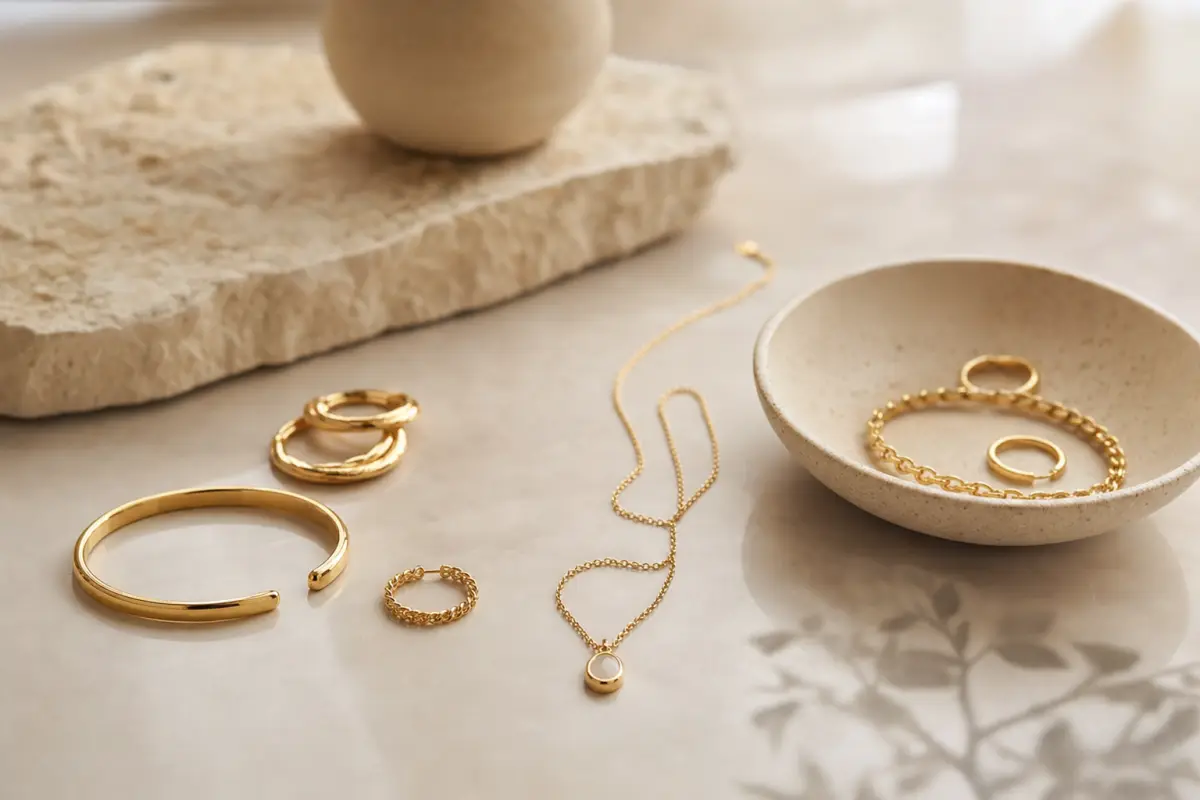
Ultrasonic Cleaner Gemstone Safety
Cavitation is the formation and violent collapse of microscopic bubbles in a liquid when high-frequency sound waves cycle pressure between compression and rarefaction, and each collapse releases a small pulse of energy that dislodges dirt. It is the same mechanism that powers the sparkle-restoring machines sold for home use.
An ultrasonic cleaner sends sound waves racing through a water bath, squeezing and stretching the liquid thousands of times per second. That rapid cycling spawns clouds of bubbles small enough to cluster inside the tightest crevices of a ring or a chain. Then each bubble collapses.
The collapse is the engine. A bubble that implodes releases a sharp, localized burst of energy that blasts grime off the metal around it. This is why a five-minute cycle can lift dirt that a brush never reaches, and why plain metal comes out bright.
Each bubble is microscopic, so each implosion only scrubs a tiny patch of surface. The cleaning power comes from sheer numbers, with fresh bubbles collapsing across every crevice at the same time. That is also why the effect reaches places a brush cannot.
From the outside, the machine feels gentle, and the water looks calm. You might notice only a soft buzz against the basket. Under the surface, the bath is full of implosions.
The same force does not care what it hits. Every pulse strikes the jewelry as hard as it strikes the dirt. A solid stone shrugs it off; a fragile one absorbs the blows until the damage shows.
Stones with internal stress lines face the highest risk. A gem can carry microscopic fractures that nobody sees until the vibration arrives. A thirty-second bath can finish a crack that stayed hidden for decades.
Ultrasonic cleaning is not new. Workshops, labs, and dental offices have used it for decades to clean metal parts. Those users control what goes into the bath; a home machine leaves that judgment to you.
The Ultrasonic No-Go List: Why Opal, Pearls, and Turquoise Never Enter the Tank
When evaluating ultrasonic cleaner gemstone safety, hard stones and plain metal survive the tank while fragile stones do not. Five gems sit at the top of the never-ultrasonic list, and each one fails the test for a different reason.
| Gemstone | Why It’s at Risk | Safer Alternative |
|---|---|---|
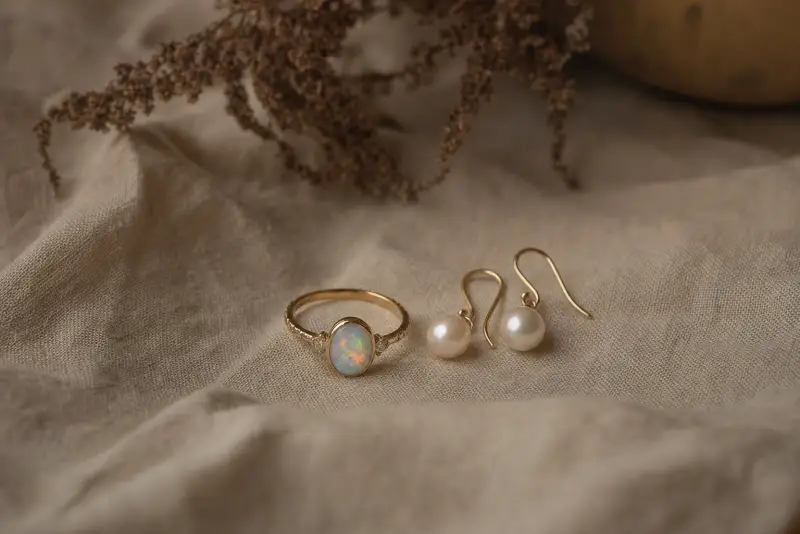
| Pearl | Organic nacre layers crack and peel under vibration, and luster dulls | Wipe with a soft, barely damp cloth only |
| Opal | Contains water and is porous, so vibration causes crazing and cracks | Wipe with a barely damp cloth; never soak |
| Turquoise | Porous and often wax- or polymer-treated, so the machine breaks the treatment down | Damp cloth; skip the soak entirely |
| Emerald | Fractures are usually oil- or resin-filled, and the cleaner strips the filler and dulls the stone | Mild soapy water with a soft brush |
| Amber | Soft organic resin that scratches and fractures under vibration | Damp cloth, no soak, no brush |
Coral and lapis sit in the same danger zone. Coral shares amber’s soft, organic structure. Lapis is porous and often dyed, so the pulses can cloud its color.
Treatments make the problem invisible. According to the Gemological Institute of America, most emeralds on the market carry oil or resin fillers that hide their fractures, and much of the turquoise sold today is waxed or stabilized. The machine does not know a stone has been treated; it only knows the surface gives when the bubbles hit.
Hardness offers a rough shortcut. Stones that score low on the Mohs scale tend to fail the tank test first. But hardness alone is not the whole story: emerald is fairly hard, yet its fracture fillers doom it in the bath.
Some damage shows up instantly; some takes weeks. Opal often crazes into fine white lines you only notice in certain light. A pearl that looks fine after one cycle may start peeling once the nacre is stressed.
The safest rule is simple, and it fits in one sentence.
If you are not sure, do not ultrasonic.
When in doubt about any stone, skip the machine. A gentle hand wash costs five minutes. A cracked heirloom costs more.
Still tempted to test a stone just once? A single cycle is all cavitation needs. Crazing and peeling cannot be polished away, and a cracked stone means a replacement, not a repair.
If a fragile stone has already been through the tank, inspect it under a bright light. Look for fine white lines in opal, dull patches on pearl, or a cloudy film on turquoise. When in doubt, ask a jeweler for a quick look.
The Pave Warning: Why Tightly Set Stones Demand Extra Care
A pavé setting holds dozens of tiny stones with dozens of tiny prongs. Each prong grips its stone through friction and a touch of tension. That grip survives daily wear, but it was never built to survive thousands of vibrations per second.
Ultrasonic pulses tug at every prong on every cycle. One session can loosen a setting just enough to let a stone slip out. You will not hear it fall; you will find the empty socket later, usually when the piece is already back in your jewelry box.
Check for loose stones before you clean anything. Hold the piece close to your ear and shake it gently, then tap the setting lightly with a fingernail. A loose stone rattles, or shows a small wiggle under a bright light.
Keep anything pavé, micropavé, or shared-prong out of the tank, including cluster rings and halo settings. Professional jewelers use these machines every day, which makes them look safer than they are. A jeweler inspects each piece first; the tank in your bathroom makes no such judgment.
Shared-prong settings concentrate the risk. When two or three stones lean on the same prong, one loosened tip endangers all of them at once. Halo settings hide the same problem behind a ring of small stones.
Tension-set rings ride the same risk, because the stone is held by spring pressure rather than prongs. Vibration can flex the metal just enough to unload that pressure. Treat anything without a full basket of prongs as ultrasonic-sensitive.
One loose stone means zero machine time.
A single wiggling prong is a full stop for the ultrasonic cleaner. Set the piece aside until a jeweler retightens it.
If you spot a wiggling stone, take the piece off and set it aside. Wearing it, even gently, can lever the prong further open. A jeweler can usually retighten a setting in minutes for far less than a replacement stone costs.
The Safest Universal Clean: A Soft Cloth and a Few Drops of Mild Soap
For almost every piece you own, the safest clean is also the simplest. Warm water, a few drops of mild dish soap, and a soft brush handle most jobs. Pearls are the one exception: damp cloth only, every time.
Mild dish soap is the right tool for a reason. It cuts the body oils and lotion residue that harden into grime, then rinses away without leaving a film. A gentle formula treats metal and stone with the same care you would.
- Fill a small bowl with warm water and add two or three drops of mild dish soap. Stir gently until the water is evenly sudsy.
- Soak the piece for two to three minutes. Pearls and opals skip this step; they get wiped instead.
- Brush softly with a clean, soft-bristle toothbrush. Work around the setting and under the stone, never against it.
- Rinse under lukewarm running water. Plug the drain first, or rest the piece in a small strainer.
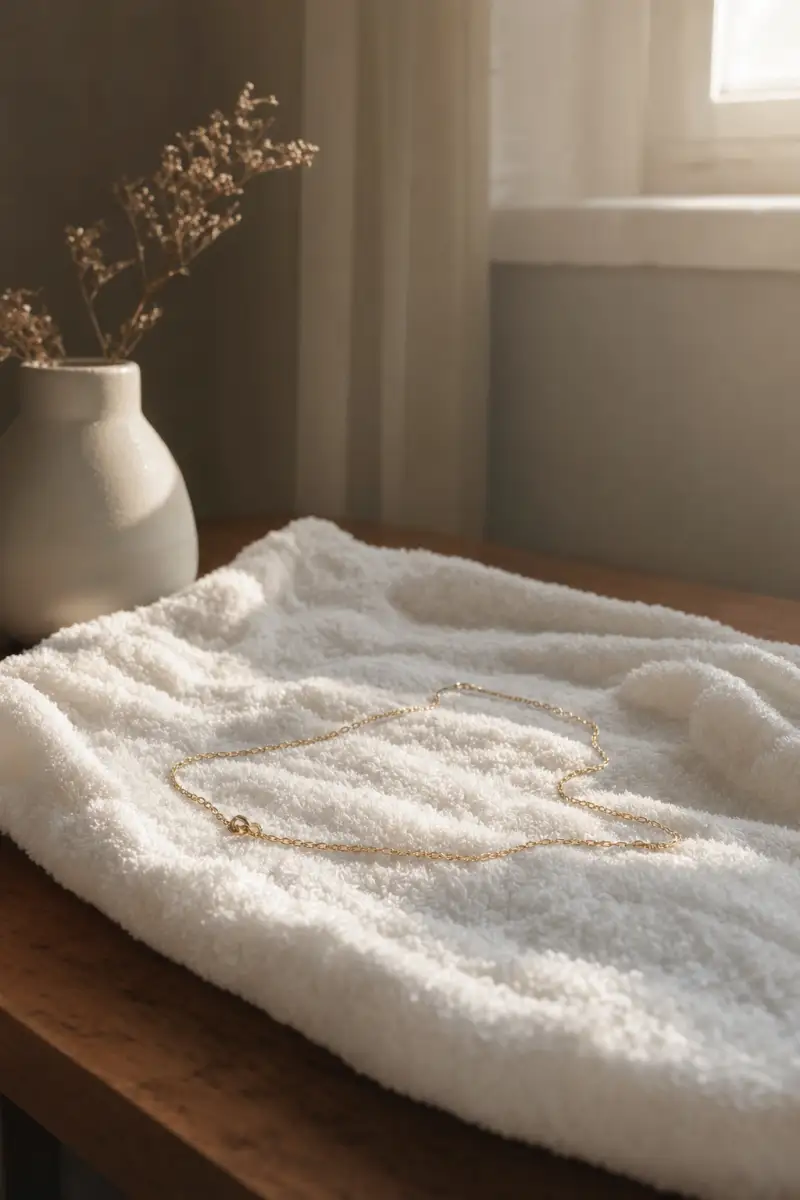
- Dry with a soft, lint-free cloth, then let the piece finish drying flat on a clean towel.
The ultrasonic cleaner still earns its place for the right pieces. Plain gold, platinum, and solid sterling silver without stones handle the tank well. Diamond, ruby, and sapphire are generally safe companions too.
Even then, follow the manual. Use the basket so pieces never touch the tank bottom, and never stack pieces in one cycle. Skip anything plated, glued, or antique; ten careful minutes beat one careless machine load.
Wipe daily-wear pieces with a dry soft cloth after you take them off. That one habit lifts the oils and skin salts before they harden. The less buildup a piece carries, the less often it needs a full wash.
How often you wash depends on how often you wear. Rings and necklaces worn daily deserve a gentle pass whenever they look dull. Pieces worn only occasionally can go months between washes with simple cloth wipes in between.
For antiques, heirlooms, or pieces caked in years of grime, let a jeweler take the first pass. A professional cleaning costs little and ends with an inspection. You get the sparkle back without the gamble.
Finish with a few aftercare habits, and you will rarely need anything stronger than soap and water.
- Dry each piece fully before storing it. Trapped moisture speeds tarnish on silver and weakens glued joints.
- Give pavé and cluster pieces a quick prong check every few months.
- Store pearls apart from harder stones so nothing scratches the nacre.
- If a stone ever feels loose, stop wearing the piece until a jeweler tightens it.
Keep reading
Ultrasonic Jewelry Cleaning: FAQ
Which gemstones should never go in an ultrasonic cleaner?
When considering ultrasonic cleaner gemstone safety, pearls, opal, turquoise, emerald, and amber top the danger list, with coral and lapis close behind. Each is porous, soft, treated, or fracture-filled, so cavitation can crack, dull, or cloud it. If you are unsure about any stone, clean the piece by hand.
Is sterling silver safe in an ultrasonic cleaner?
Solid sterling silver without stones is generally safe, because the machine cannot hurt the metal itself. Pieces with stones, plating, or glued elements should stay out. Dry the piece thoroughly afterward, since leftover water speeds tarnish, and follow with a silver polishing cloth if the finish looks dull.
Can ultrasonic cleaning loosen pave stones?
Yes. Vibration works against every tiny prong that holds pavé stones in place, and a loosened prong lets a stone fall out without warning. Clean pavé pieces by hand, and give them a quick shake-and-tap check once a month to catch loose stones early.
What is the safest way to clean jewelry at home?
Warm water, a few drops of mild dish soap, and a soft brush. Soak for a few minutes, brush gently, rinse, and dry with a soft cloth. That routine removes everyday grime with zero risk to stones or settings, and it costs nothing.
How do I clean pearls without an ultrasonic machine?
Wipe them with a soft, slightly damp cloth after each wear. Skip soap, brushes, and soaking entirely. Let the pearls dry flat before storing them, keep them away from harder jewelry, and keep perfume and hairspray off the nacre too.
Jewelry that forgives honest mistakes.
2 Comments